
 Frozen Fish Product
 Value-Added Products
 Frozen Seafood Product
 Other Product
How to Properly Store Frozen Basa Fillets | Nhat Tam Food

How to Properly Store Frozen Basa Fillets
Frozen Basa fillets are convenient, nutritious, and easy to cook, but proper storage is essential to maintain their freshness, texture, flavor, and food safety. Whether you are storing Basa fillets at home, in a restaurant, or in a food business, following the correct storage procedures will help preserve product quality and reduce waste.
This guide from Nhat Tam Food explains the best practices for storing frozen Basa fillets correctly.
Why Proper Storage Is Important
Incorrect storage can cause:
- Loss of freshness
- Dry or tough texture
- Freezer burn
- Off-flavors and odors
- Reduced nutritional quality
- Increased food safety risks
Maintaining a stable frozen temperature is the key to preserving high-quality Basa fillets.
1. Freeze Immediately After Purchase
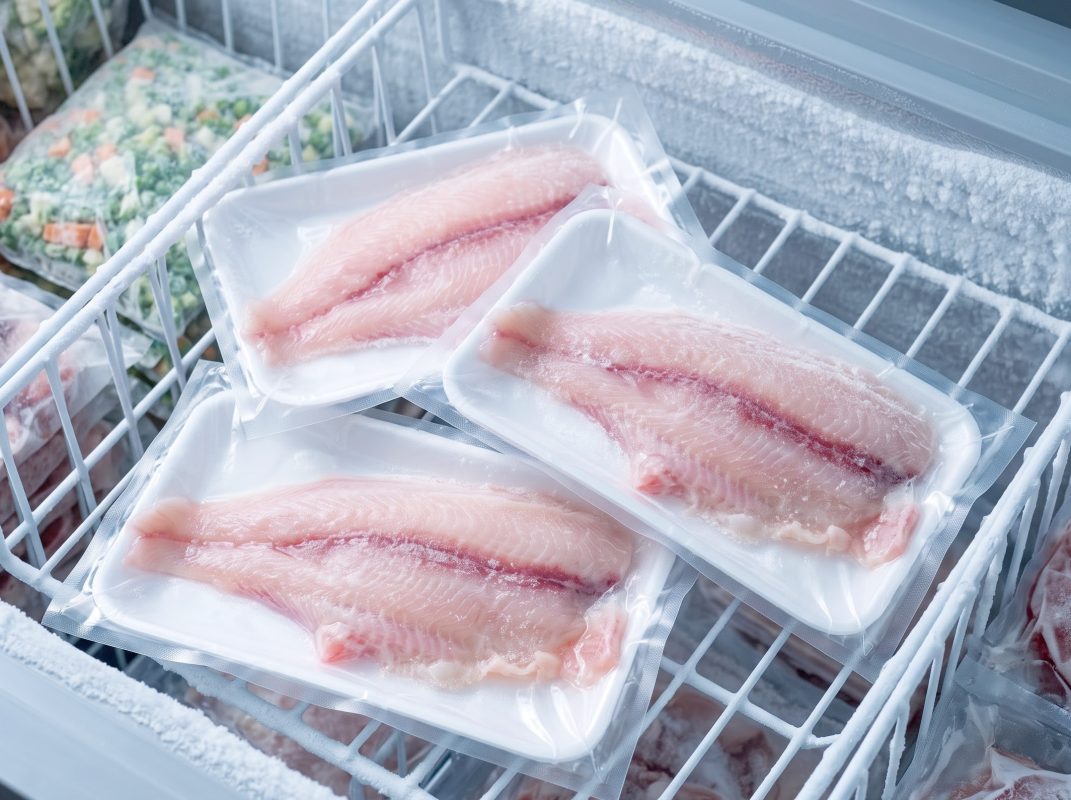
Place Basa fillets in the freezer as soon as possible after purchase or delivery. Avoid leaving the product at room temperature for extended periods, especially in warm climates.
If transportation takes time, use an insulated cooler with ice packs to keep the fillets cold until they reach the freezer.
Link to basa fish fillet product: Frozen Skinless Basa Fillet 150g Up/Piece
How to Properly Store Frozen Basa Fillets | Nhat Tam Food
2. Recommended Freezer Temperature
Store Basa fillets at -18°C (0°F) or below. This temperature slows bacterial growth and helps maintain texture and flavor during long-term storage.
Keep the fillets in the coldest part of the freezer rather than on the freezer door, where temperatures fluctuate more frequently.
3. Keep the Original Packaging Intact
Whenever possible, keep the fillets in their original sealed packaging. Food-grade packaging protects the fish from moisture loss, contamination, and freezer burn.
If the package has been opened, transfer the remaining fillets to an airtight freezer bag or vacuum-sealed bag before returning them to the freezer.
4. Remove Excess Air
Air exposure is one of the main causes of freezer burn. Press out as much air as possible from freezer bags before sealing them. Vacuum sealing provides the best protection for long-term storage.
5. Label the Storage Date
Write the freezing date on each package. This helps you use older stock first and maintain good inventory rotation.
For best quality, use frozen Basa fillets within 12 months when continuously stored at -18°C or below.
6. Use Proper Thawing Methods
The safest thawing method is to place the frozen fillets in the refrigerator and thaw them slowly for several hours or overnight.
If you need faster thawing, keep the sealed package under cold running water. Avoid thawing fish at room temperature, as this can increase bacterial growth.

Use Proper Thawing Methods
7. Do Not Refreeze After Complete Thawing
Once Basa fillets have been fully thawed, do not refreeze them. Refreezing can damage the texture, reduce flavor quality, and increase food safety risks.
Thaw only the amount needed for immediate cooking.
8. Signs of Poor Storage Quality
Do not use the fillets if you notice:
- Strong or sour odor
- Gray, yellow, or brown discoloration
- Excessive ice crystals inside the package
- Dry white patches (freezer burn)
- Soft or mushy texture after thawing
- Damaged or leaking packaging
These signs may indicate improper storage or temperature abuse.
9. Storage Tips for Restaurants and Food Businesses
Commercial users should:
- Maintain freezer temperature logs
- Use the FIFO (First In, First Out) system
- Store seafood separately from raw meat products
- Avoid overloading freezers
- Keep freezer doors closed as much as possible
- Clean and sanitize storage areas regularly
These practices help maintain consistent product quality and food safety.

Quick Storage Guide
Why Choose Nhat Tam Food Frozen Basa Fillets?
Nhat Tam Food supplies premium frozen Basa fillets processed from carefully selected Vietnamese Basa fish. Our products are rapidly frozen and stored under strict cold-chain conditions to preserve freshness, texture, and nutritional quality throughout transportation and distribution.
We serve supermarkets, restaurants, wholesalers, food manufacturers, and international importers with reliable quality and professional export support.
Final Thoughts
Proper storage of frozen Basa fillets is simple but essential. Keep the fillets frozen at -18°C or below, protect them from air exposure, thaw them safely in the refrigerator, and avoid refreezing after thawing. Following these steps will help maintain excellent flavor, texture, and food safety while reducing product waste.
For premium Vietnamese frozen Basa fillets with reliable quality and cold-chain assurance, choose Nhat Tam Food.

The working process of Nhat Tam Foods
___________________
Nhat Tam Production and Trading Cooperative – Nhat Tam Foods
📍 Tra Noc 2 Industrial Zone, Phuoc Thoi Ward, O Mon District, Can Tho City, Vietnam
📞 Hotline / Zalo: +84 978 530 649
📧 Email: casachnhattam@gmail.com
Facebook: Nhất Tâm Foods